
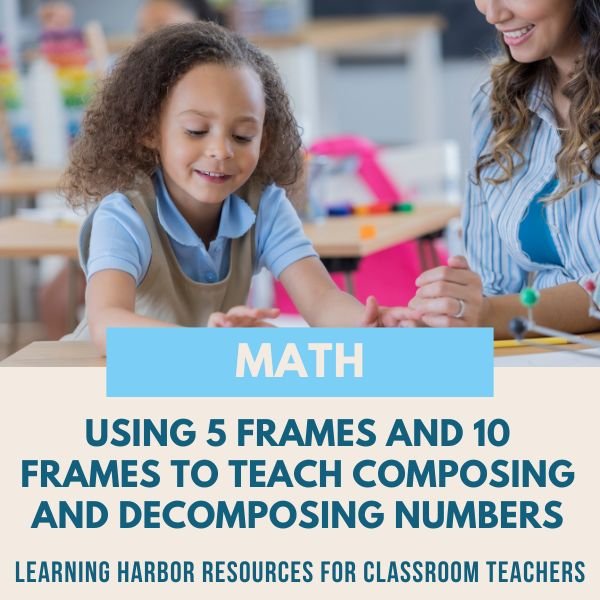

Teaching young learners about composing and decomposing numbers using 5 frames and 10 frames is a foundational math skill that supports number sense, addition, subtraction, and mental math. These visual tools help students clearly see how numbers are built and broken apart, making abstract concepts concrete and engaging.
Why Teaching This Skill Matters
Understanding how numbers can be composed and decomposed is essential for developing fluency and flexibility in math. When students recognize that numbers can be made in different ways, they are better equipped for:
- Addition and subtraction
- Understanding part and whole relationships
- Mental computation
- Recognizing patterns
- Building confidence with numbers
5 frames and 10 frames give children a visual model for organizing quantities. Students can easily see combinations like 3 and 2 make 5, or 6 and 4 make 10, which prepares them for more complex operations later on.
Five Fun Activities Using 5 Frames and 10 Frames
1) Build and Break
Give students counters and empty 5 or 10 frames. Call out a number and have them fill the frame. Then ask them to show two different ways to break that number apart using the same frame. For example, for 7 on a 10 frame, students might show 5 and 2 or 3 and 4.
2) Flash and Show
Display a filled frame for three seconds and cover it. Students then use their own frames to recreate what they saw and tell how many were shown and how many spaces were empty. This builds automatic recognition and number sense.
3) Frame Toss
Place a large 10 frame mat on the floor using tape or a poster. Give students beanbags or pom poms to toss onto the frame. After tossing, students count how many landed on the frame and how many did not, and state the number combination.
4) Story Problems with Frames
Give students a simple story problem and a frame to solve it. For example, You have 3 apples and get 2 more. Show this on your 5 frame. Students fill the spaces and explain their thinking using the frame.
5) Roll and Fill
Students roll a die and place that many counters on a 10 frame. Then they roll again and add or remove counters to show a new number. Encourage students to describe how many they needed to add or take away.
Picture Books for Teaching Counting and Number Composition
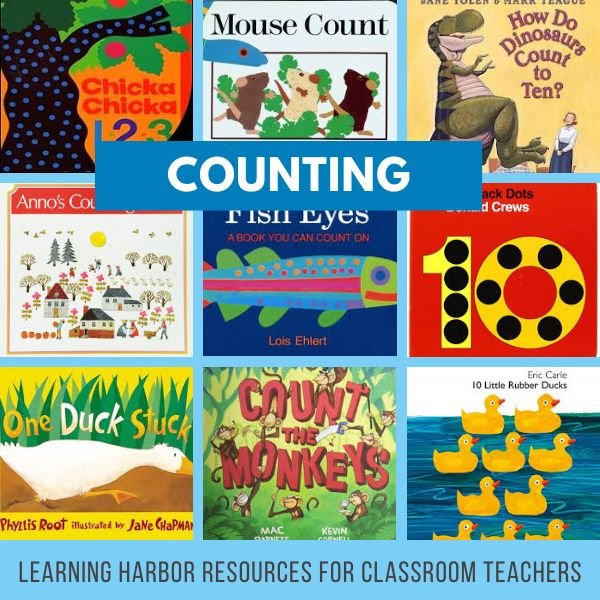
Incorporating picture books helps reinforce counting and number relationships through storytelling and illustrations. Here are some excellent titles to pair with your lessons:
- Ten Black Dots by Donald Crews
- Fish Eyes by Lois Ehlert
- Anno’s Counting Book by Mitsumasa Anno
- How Do Dinosaurs Count to Ten by Jane Yolen
- Mouse Count by Ellen Stoll Walsh
- Chicka Chicka 1 2 3 by Bill Martin Jr and Michael Sampson
- One Duck Stuck by Phyllis Root
- 10 Little Rubber Ducks by Eric Carle
- Count the Monkeys by Mac Barnett
- Quack and Count by Keith Baker
These books can be read before or after math lessons to help students make connections between counting in stories and working with numbers on frames.
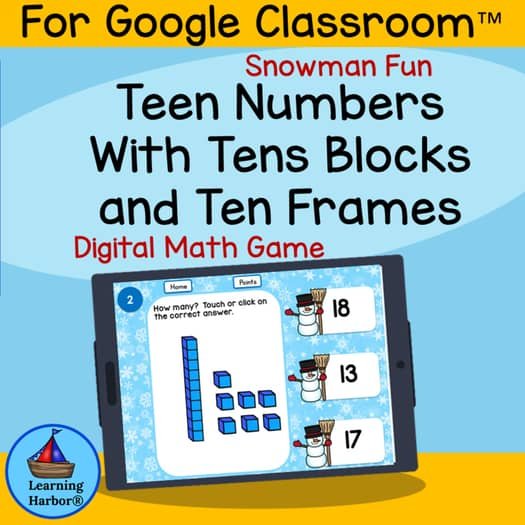
Resources for Teaching Composing and Decomposing Numbers with 5 Frames and 10 Frames:

Final Thoughts
Using 5 frames and 10 frames is a powerful way to help students build an understanding of number composition and decomposition. With hands on activities, clear visuals, and meaningful literature connections, children develop a strong foundation for future math success.
Happy Teaching!