
Whether you’re a first year Kindergarten teacher navigating your first Winter Break return or a seasoned teacher who know how valuable strong routines can be, this guide offers simple effective strategies to start January with calm and clarity.
Returning to school after Winter Break can be like starting fresh in kindergarten. Young learners come back full of energy, excitement, and a need for familiar routines. The first week of January is the perfect time to revisit behavior expectations, refresh your classroom setup, and prepare simple lessons that help students ease back into learning. With thoughtful planning, you can create a calm, predictable, and welcoming return for your kindergarten students. For additional guidance, consider implementing these teacher tips to enhance your classroom environment and student engagement. Incorporating teacher tips is essential for supporting this transition.
Teacher Tip: Review Kindergarten Behavior Expectations After Winter Break
Revising behavior and routine expectations is one of the most effective ways to start the new year strong. Young students benefit from clear, predictable structure, especially after the long winter break. Incorporating teacher tips can further support this transition and help students adjust more smoothly. Remember to utilize teacher tips throughout this process.
Focus on essential routines:
- Morning unpacking and entry procedures
- Carpet Expectations
- Hand signals and classroom cues
- Lining up and hallway behavior
- Center rotations and cleanup routines
Use the same visuals, posters, songs, and signals your Kindergarteners know. This consistency builds security and confidence, which helps students to settle quickly into the routine.
Model and practice the routines!
A short demonstration followed by whole class practice reinforces expectations without making students feel like they’ve done something wrong. This proactive review reduces reteaching later and supports positive classroom management.
Teacher Tip: Prepare Kindergarten Lessons Before Students Return
January calls for gentle, familiar instruction. Prepping Kindergarten lessons ahead of time ensures you begin the week confidently and calmly.
Choose lessons that review skills and rebuild stamina:
- Counting practice
- Letter sounds and phonics warm-ups
- Easy math centers
- Familiar literacy stations
- Read alouds with simple responses
Prep classroom materials such as copies, manipulatives, morning tubs before students arrive. When everything is ready to go, transitions stay smoother and less stressful for little learners.
Refresh Your Kindergarten Classroom Setup for January
A clean, organized classroom helps Kindergarten students feel calm and ready to learn. A quick reset makes the environment inviting and supports classroom management.
Before students return, try:
- Removing holiday decorations
- Restocking crayons, glue sticks, pencils, and markers
- Refreshing center bins
- Straightening classroom shelves
- Resetting your teacher table and small group area
- Updating your whiteboard with a “Welcome Back!” message
An orderly room sets the tone for a productive week and helps students settle into the routine quickly after the break.
Rebuild Community in Your Kindergarten Classroom
Young children need time to reconnect before diving into academics. Simple community building activities help students feel comfortable and ready to learn.
Try:
- A morning meeting or greeting circle.
- Sharing winter break stories
- Partner puzzles
- A class graph about winter weather
- A collaborative art or writing project.
These low stress activities bring students together and strengthen your classroom community.
Teacher Tip: Start Slowly and Keep Routines Steady
Kindergarteners thrive when the day feels predictable. A steady approach paired with prepped lessons and refreshed routines creates a peaceful, productive return from Winter Break. With a calm start and thoughtful planning, your Kindergarten students can step into January with confidence, joy, renewed energy, and enthusiasm.

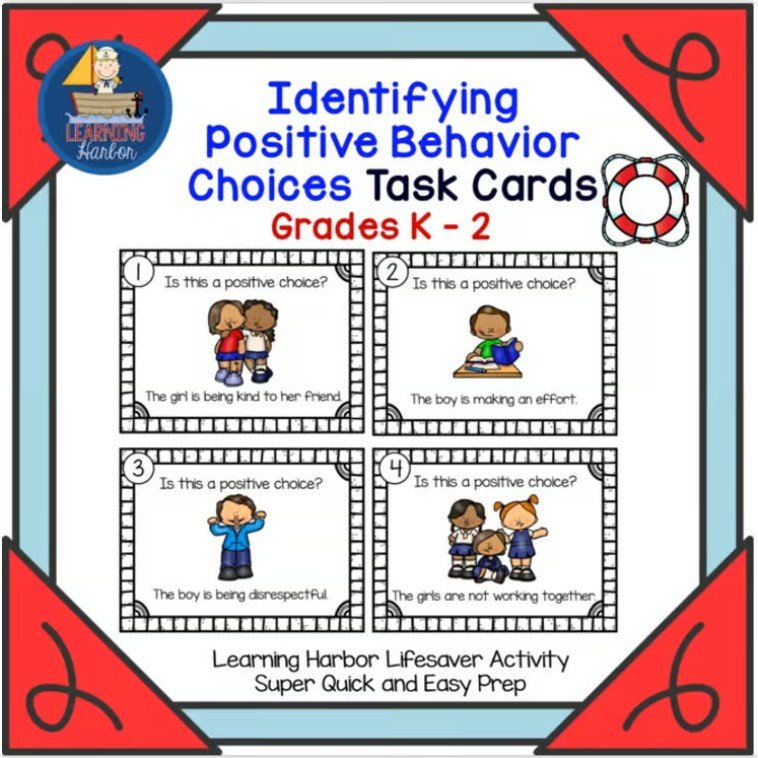
Different Approaches for Behavior Management
Ongoing Integration: Some educators weave kindness discussions into daily routines (morning meetings or storytime). Thematic Focus: Others dedicate a “Kindness Week” or “Friendship Week” to focus on anti-bullying lessons using seasonal books and crafts. Either approach helps students see, feel, and practice kindness in real and lasting ways.
Why These Lessons Matter
Teaching kindness and empathy early lays the foundation for a respectful, inclusive classroom. When students recognize how their actions affect others and celebrate differences instead of teasing them, they build stronger friendships and a safer learning environment.