

Looking for fun, effective strategies for adding within 10 in Kindergarten and first grade? Explore counting on, doubles, ten frames, and engaging games that build strong number sense for young learners. Perfect for classroom, homeschool, or math centers. Make adding within 10 fun with math fluency games.
These are effective strategies for adding within 10 for Kindergarten and first grade students. Explore counting on, doubles, ten frames, and engaging games that build strong number sense for young learners. These adding within 10 are perfect for Kindergarten or First grade classroom. Building strategies for adding with in 10 are great for homeschool and tutoring.
Strategies for Adding Within 10
1. Make It Real with Objects
Use manipulatives like cubes, buttons, or pom-poms. When children combine two groups they can touch and see, the abstract idea of addition becomes concrete.
Try this: “Let’s put 3 red cubes and 4 blue cubes together. How many do we have now?” The tactile experience helps build both understanding and memory.
2. Counting On
Once students are comfortable with joining groups, introduce counting on.
Start with one number and count forward—“Start at 5, then count on 3: 6, 7, 8.”
Use fingers, number lines, or digital slides for practice. This simple shift helps children move from counting all to counting on, a major step toward fluency.
3. Add with a Number Line
Number lines show addition as movement forward.
Place a finger on the starting number and hop ahead the second number of spaces.
Children begin to visualize addition as a journey, reinforcing sequencing and direction.
4. Doubles and Near Doubles
Patterns make math stick.
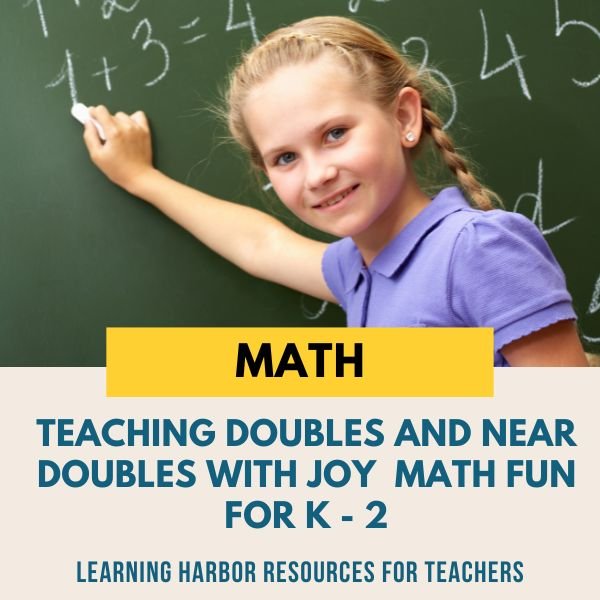
Teach doubles like 3 + 3 or 5 + 5 first. Then move to near doubles: “If 4 + 4 = 8, then 4 + 5 must be one more—9.”
Anchor charts or “doubles facts” songs make this strategy memorable.
5. Make Ten
Understanding how to make ten is a game changer.
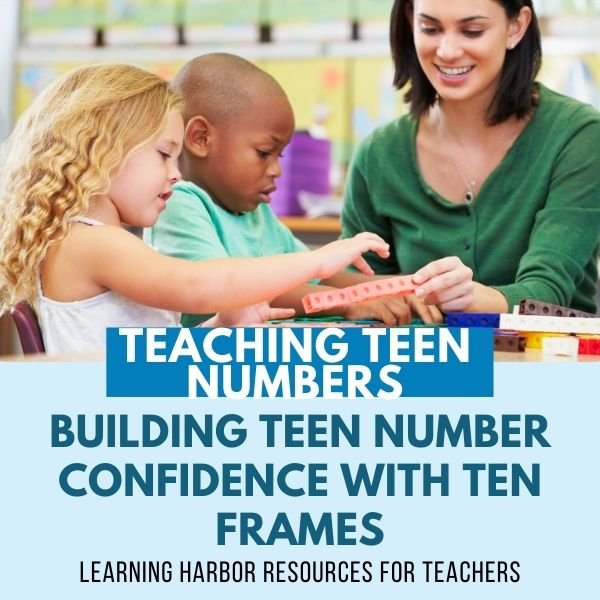
Use ten frames, rekenreks counting frames, or bead strings to show that 6 + 4, 7 + 3, and 8 + 2 all make ten.
This builds a deep foundation for later skills like adding larger numbers and place value understanding.
6. Keep It Playful
Turn repetition into play:
- Addition Bingo – mark sums to 10.
- Memory Match – pair equations and answers.
- Jumping Math – hop to the sum.
Games boost fluency and make practice feel like recess instead of work. Addition within 10 can improve basic math skills.
7. Tell Math Stories
Wrap numbers in context with story problems.
Example: “Liam had 2 toy cars. His friend gave him 3 more. How many does he have now?”
Students can act it out, draw, or model it before writing the equation. Story problems connect math to life.
8. Digital Math Games, Digital Gameshows, and Center Ideas
- Interactive slides: Kindergarten and first grade students can solve problems right on the screen and check their answers instantly. Digital Games and Game Shows for addition within 10 can be used with small groups or projected on an interactive whiteboard for whole class learning fun.
- Self-checking cards: Use sums on the back for easy, independent practice.
- Math tubs: Organize by skill counting on, make ten, or near doubles for quick and engaging rotations.
Why Addition Within 10 Matters
Mastering addition within 10 for Kindergargen and First Graders confidence and flexibility with numbers. These addition within 10 strategies are hands-on practice, counting on, doubles, and making ten. Kindergarten and First grade students build the kind of understanding that supports future math success. Be sure to include addition within 10 activites to your math calendar.