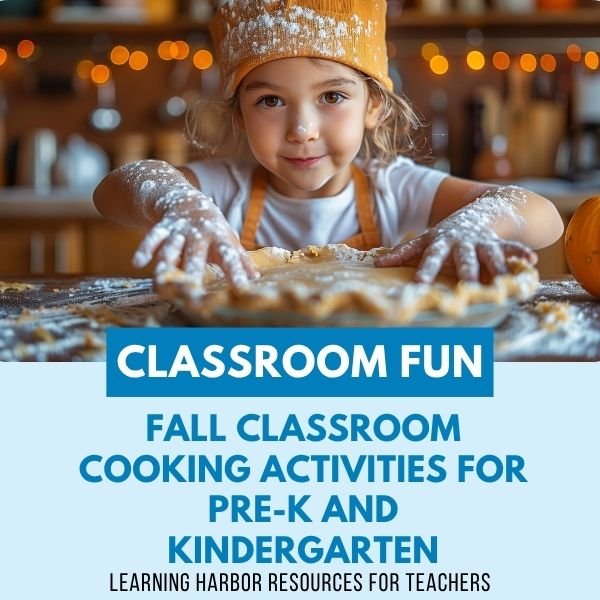

Engage, Explore, and Celebrate the Season!
Introducing cooking into your kindergarten classroom this fall is a fantastic way to engage young learners through hands-on, sensory-rich experiences. By focusing on simple and seasonal recipes, students can practice important skills like counting, measuring, sequencing, and teamwork — all while having fun and celebrating the flavors of fall. These teacher tips will help you make the most of these activities and enhance your teaching strategies.
Fall-Themed Classroom Cooking Ideas
1. Apple Smiles
Turn snack time into a silly science of sequencing! Students craft grinning apple slices using red apples, peanut butter (or sunflower butter), and mini marshmallows for teeth. This adorable and simple treat strengthens fine motor skills and teaches students to follow directions step-by-step.
2. Pumpkin Patch Dirt Cups
Create a delicious edible science project! Layer chocolate pudding, crushed cookies, and gummy pumpkins to make a miniature pumpkin patch. Children practice measuring, scooping, and stirring — while learning about layers and textures.
3. Mini Apple Pies
Bring a bit of fall baking into your classroom! Using pre-made pie dough and apple filling, students can make their own mini pies. This is perfect for discussing fractions, quantities, and temperature while reinforcing sequencing and following multi-step directions.
4. Harvest Trail Mix
Encourage creativity and independence with this simple mix-and-match activity! Provide bowls of pretzels, dried cranberries, pumpkin seeds, and cereal. Children count, sort, and make choices as they build their own custom trail mix — a great way to strengthen math and decision-making skills.
5. Cornbread Muffins
Bake up a warm fall favorite! With a simple mix and pre-measured ingredients, students can stir, pour, and watch the transformation from batter to muffin. This activity introduces baking vocabulary and opens discussion about harvest foods and traditions.
Actionable Steps to Implement Cooking Activities
- Preparation: Gather ingredients and utensils beforehand. Offer allergy-friendly alternatives so all students can participate.
- Safety First: Review simple kitchen safety rules — handwashing, careful stirring, and taking turns.
- Small Groups: Divide students into small teams to encourage collaboration and sharing. Rotate jobs (pouring, mixing, decorating) so everyone participates.
- Reflect and Share: After the activity, gather for circle time to discuss what students learned, what they liked, and what surprised them.
Different Perspectives
- Hands-On Learning: Cooking connects directly to math, science, and literacy — from measuring and mixing to sequencing recipes and following directions.
- Classroom Challenges: Space and time management can be tricky, especially with young learners. Careful planning, visual aids, and parent volunteers make all the difference!
Tips for a Successful Fall Cooking Day
- Use Visuals: Show step-by-step photos or charts for visual learners.
- Invite Parents: Ask families to help with preparation, cleanup, or supervision.
- Celebrate Results: Display photos or create a “Fall Cooking Memories” bulletin board with student reflections and pictures of their creations.
Why It Works
Cooking brings learning to life! It strengthens fine motor skills, builds confidence, and encourages teamwork and communication all while creating memorable, sensory-rich experiences your students will never forget.